The short answer
You do not need a car in Mallorca, and on several of the island's best days you are actively better off without one. The Tramuntana coast road is the single most oversold driving experience in the Balearics: narrow, relentlessly switchbacked, busy in season, and lined with parking that fills by nine in the morning. The famous circuit through those mountains exists as a train, a tram and a boat precisely because the road was never the good way to do it.
What you actually need is a plan for three things: the mountains, the water, and Palma. Tours cover the first two better than a hire car does. Palma covers itself on foot. The only real argument for a car is a specific one, and it is at the end of this guide.
Why the car is not the default here
Three things people underestimate before they book.
Parking is the actual constraint. Not the driving. The coves everyone wants to reach have small car parks that fill early in summer, and several of the most photographed spots restrict access altogether in peak season. Arriving at eleven in your hire car with a towel is a plan that works in June and fails in August.
The best coastline has no road. The cliff line the boats run along, and the sea caves near the north coast, are not reachable by car by definition. Any Mallorca that is only seen by road is missing the half of the island that made its reputation.
The drives are tiring, and you are on holiday. The Tramuntana road is genuinely beautiful and genuinely demanding, and the driver sees considerably less of it than the passengers. On a one week trip, handing that day to someone else is not laziness. It is the whole point of booking a tour.
The mountains, without driving them
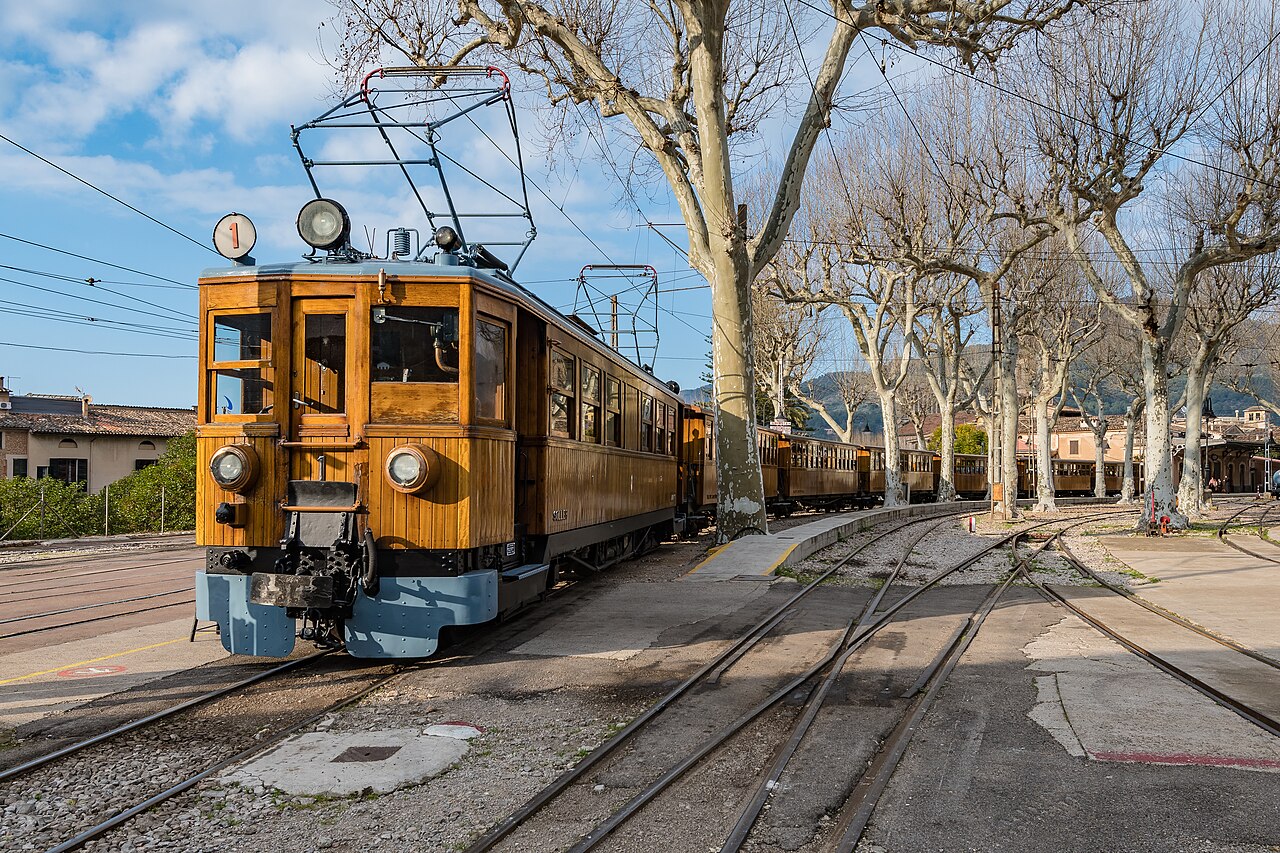
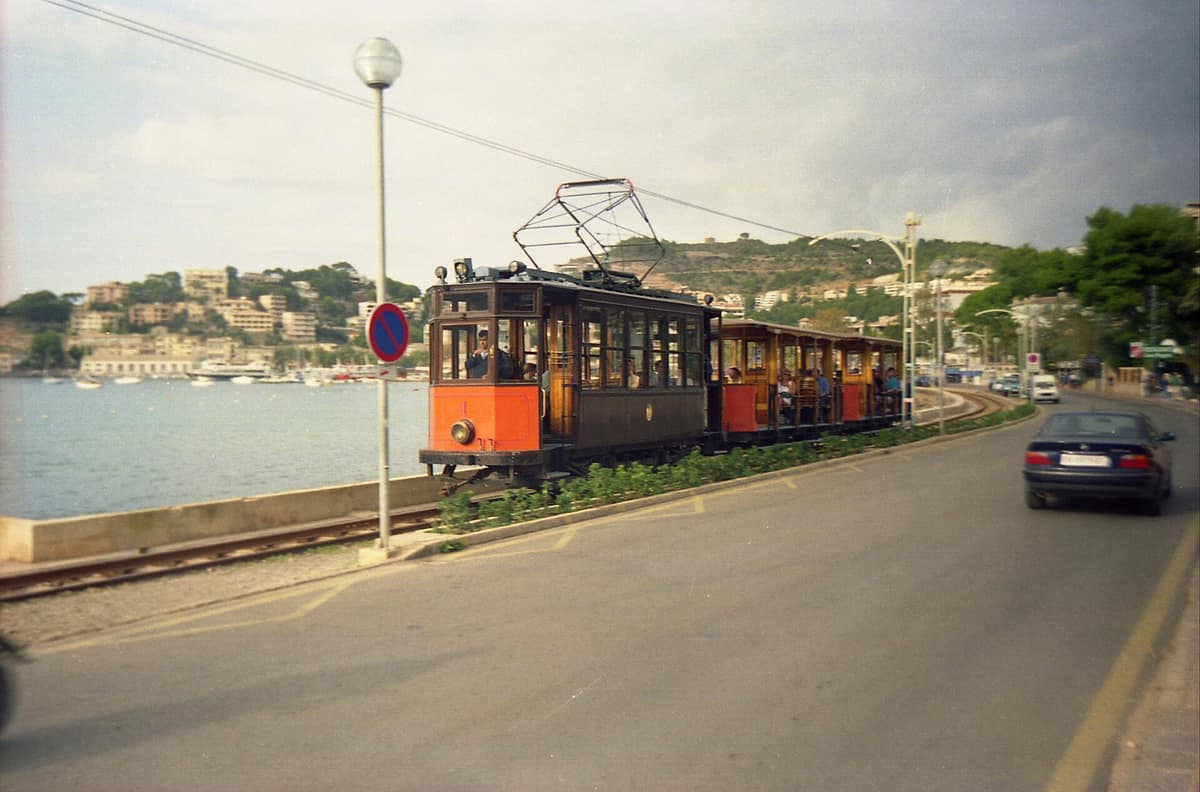
The island's oldest tourist product is also its answer to this question. The 1912 wooden train climbs from Palma through the Tramuntana to Soller, an open sided tram runs down through the orange groves to the port, and a boat takes the cliff line back past Sa Calobra, coast that no road reaches. Three vintage conveyances, one day, no car, and it predates the problem it solves.
Day trips · Mallorca
Island Tour by Boat, Tram and Vintage Train
The classic Tramuntana circuit: Sóller's 1912 wooden train, the tram to the port, and a boat past Sa Calobra. Category-defining, and its 4.4 rating reflects the logistics; we explain.
We should be straight about the rating, because it is the lowest of anything we recommend in Mallorca. A 4.4 across more than four thousand reviews is a good score with a specific weakness behind it, and the weakness is connections. This day is made of them: train to tram to boat to coach, four handovers, each with its own timetable. When the sea is rough the boat leg cancels and gets replaced by road. Book it early in your stay so you have room to try again, and check the forecast the night before. If tight connections are the kind of thing that ruins your mood, this is not the day for you, and the honest alternative is a small group Tramuntana tour that does the same geography by minibus with fewer moving parts.
What you get for accepting the logistics is the best value day on the island, at about USD 112 for eight hours, and scenery that a hire car cannot legally or physically reach.
The coast, which needs a boat anyway
This is the part of Mallorca where the no car question stops being a compromise, because nobody was driving to these places regardless. Two very different days, and the choice between them is really a choice about how active you want to be.
Outdoors & water · Mallorca
Palma Bay Catamaran Cruise with Lunch and Swim Stops
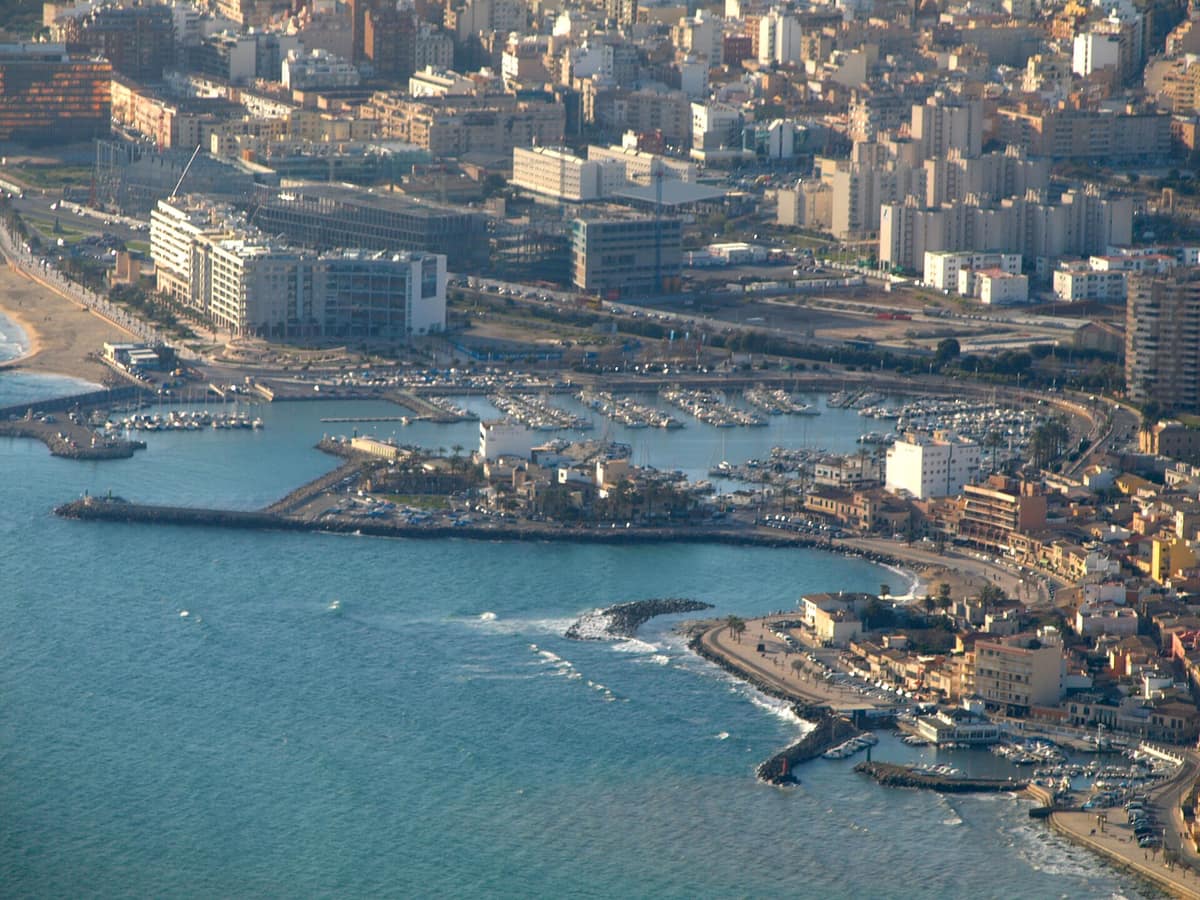
The island's highest-volume boat day: five hours of Palma Bay coves, swim and snorkel stops, and onboard lunch. Nearly eleven thousand reviews at 4.6.
The catamaran is the ambient version: five hours out of Palma along the bay's coves, two swim and snorkel stops, lunch served on board, and the cathedral rising off the stern coming back, from about USD 68. It holds a 4.6 across nearly eleven thousand reviews, which is as established a record as anything we track. It leaves from Palma, which matters for this guide: if you are staying in or near the city, you can reach it without arranging transport at all. The honest caveat is that it sails full and sociable in season, so if you pictured a quiet deck, adjust or book something smaller. Board early for the shade seats.
Outdoors & water · Mallorca
Kayaking, Sea Cave, Cliff Jumping and Snorkel Tour
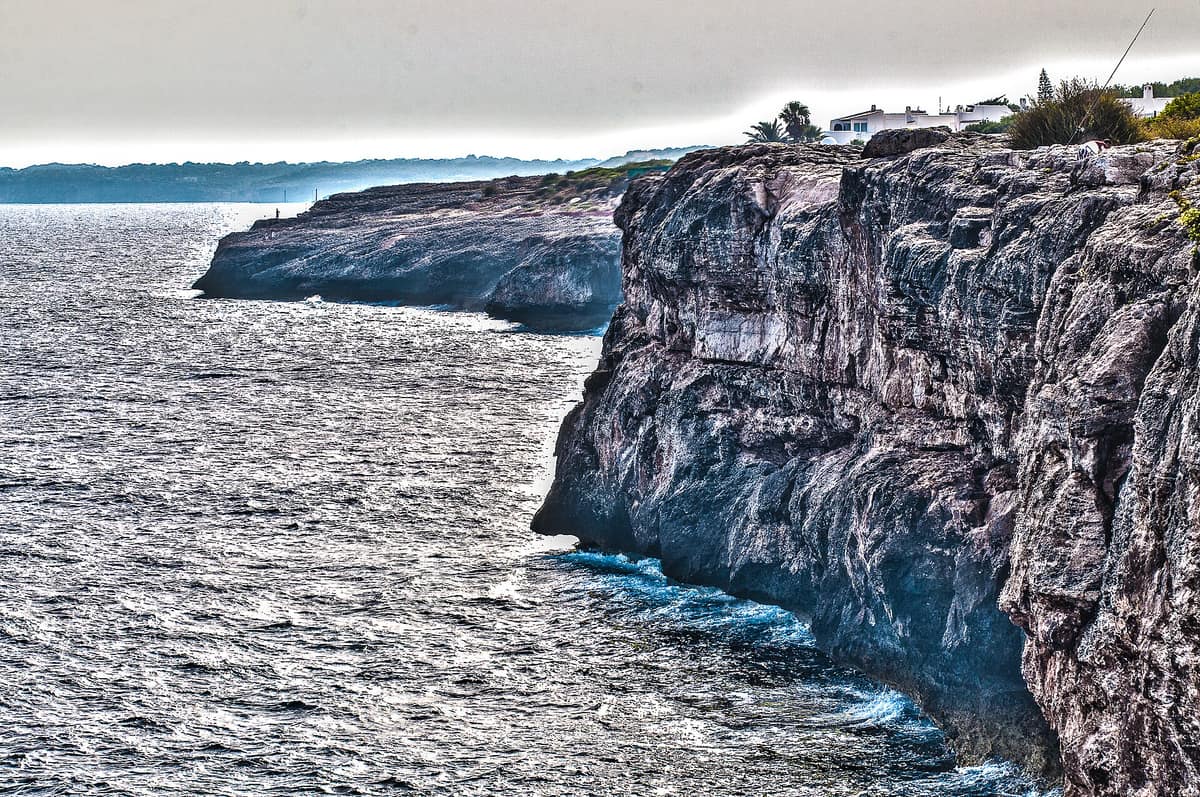
Five adventures in three hours near Alcúdia with cult-favorite guides: paddle, cave, jump, snorkel, repeat. A 4.8 across 1,747 reviews earned on personality as much as coastline.
The kayak day is the opposite temperament and the higher rated of the two: three hours near Alcudia paddling the cliff line, into a genuine sea cave, with optional cliff jumping at graduated heights and snorkeling in coves the big boats skip, from about USD 74. A 4.8 across 1,747 reviews, and reading the reviews at volume, the score is about the guides as much as the coastline.
There is one car shaped catch, and it is the reason this section is not simply a recommendation. The meeting point is on the north coast. If you are based on the Palma side without a car, getting there is a real journey rather than a transfer. Either base yourself in the north for part of the trip, or accept a long bus morning, or take the catamaran instead and enjoy it. The property listing is explicit about this, and so are we.
Palma, which needs nothing at all
Palma is a walking city, and it is better than the resort brochures suggest. The cathedral alone justifies giving it a day.
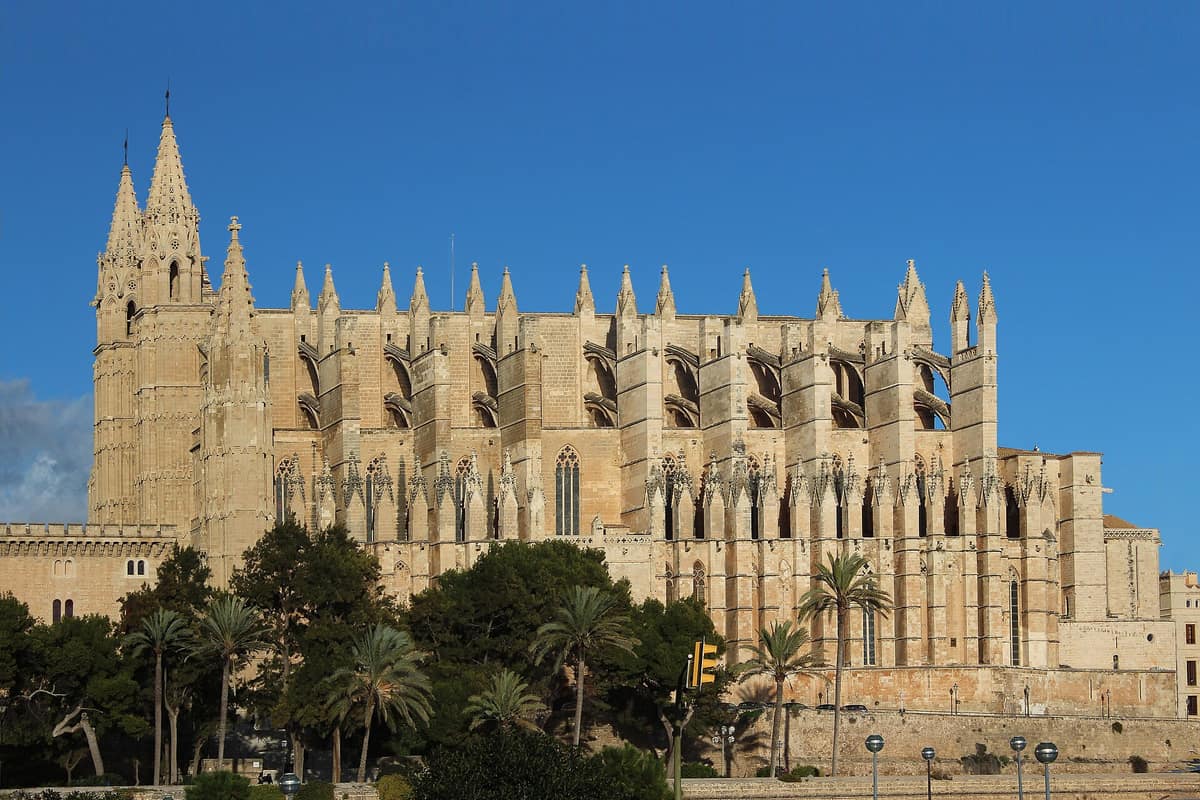
Tickets & monuments · Mallorca
Palma Cathedral Skip-the-Line Entry Ticket
Skip-the-line entry to La Seu, the Gaudí-touched cathedral over the bay, for about the price of lunch. Sixteen thousand reviews at 4.6; the island's one unmissable building.
La Seu is a Gothic cathedral raised on the sea wall, with one of the largest rose windows in Europe, an interior Gaudi spent a decade rearranging, and a Miquel Barcelo ceramic chapel that people still argue about. Skip the line entry runs about USD 13, which is the best value booking on this page by a distance. Go in the morning, when the rose window light is the whole show.
Around it, the old town is compact enough to freestyle, and our other two Palma picks, a guided old town walk with an ensaimada at the end and an evening gourmet tapas and wine crawl, both start and end within walking distance of the centre. The rest sit on the Mallorca hub. A day in Palma is the easiest car free day of the trip, and most itineraries give it too little.
Where you stay decides everything
This is the decision that makes a car free Mallorca work or not work, and it gets made before any of the bookings above.
Palma or its bay. The strongest car free base. The island tour, the catamaran, the cathedral, both food and walking tours and the airport all connect from here, and the bus network radiates outward from the city. If you are only picking one base, pick this one.
The Alcudia and north coast side. Right for the kayak day and the quieter beaches, more of a stretch for everything Palma based. Workable without a car if your trip is mostly beach with a couple of excursions, awkward if you want to move around the island.
A villa in the interior. Beautiful, and the one base that genuinely does need a car. If this is the holiday you are booking, the rest of this guide does not apply to you, and that is fine.
What public transport already covers
More than visitors expect. The island has an integrated bus network reaching most towns and the main resorts from Palma, two commuter rail lines out of the city into the interior, and the historic Soller line as a tourist route in its own right. Palma itself has city buses and a straightforward airport bus into the centre.
What public transport does not do well is the coves and the trailheads, which run infrequently or not at all, and it thins considerably outside the summer timetable. So the realistic model is not "buses instead of a car" but "walk Palma, book the tours for the island, use the bus for the towns in between". Check current timetables when you plan, because the seasonal services change from year to year.
When you genuinely want a car
Two cases, and they are narrower than the rental desks suggest.
You are hiking or cove hopping seriously. Trailheads at dawn and small beaches at odd hours are what a car is actually for here. If that is the trip, hire one and ignore everything above.
You are staying inland with a family. A rural finca with children and a supermarket run is a car holiday whatever else you do.
In both cases the useful trick is the same one that works on the mainland: hire the car for the days you need it rather than the whole week. Airport and Palma city offices both do short hires, and three days of car plus four days of tours usually costs less than seven days of car plus seven days of parking, and it is a better week.
A car free week that works
If you want the plan rather than the reasoning: base in or near Palma. Give Palma itself a day, with the cathedral in the morning and the old town walk or the tapas crawl in the evening. Give the Tramuntana its day on the train, tram and boat circuit, booked early in the week so a rough sea forecast does not cost you the whole trip. Give the water a day, the catamaran from Palma or the kayak day if you are willing to travel north for it. That is three excursion days out of seven, which leaves four for beaches, eating and doing nothing, which is the correct ratio for an island.
Book the island tour first, because it is the one with weather risk and the one you may need to move. Everything else is flexible.
Booking notes
May, June, September and October are the months to aim for. August is peak price and peak crowd, and the boat picks sell out. Palma's airport is one of Spain's busiest, so flights are rarely the constraint, and the excursions here pick up from Palma and the Alcudia side.
If Mallorca is one leg of a longer Spanish trip, the ferry connection runs to the mainland at Valencia, and our three days in Valencia guide covers what to do at the other end. If the trip starts in the capital, our sister site Madrid Vacation Rentals covers where to stay there, and being car free is even more clearly the right call in Madrid than it is here.
Prices are shown in the currency each merchant quotes, and prices, ratings and review counts above are as of our July 2026 review, so confirm on the merchant page before you book. The rest of our Mallorca picks are on the Mallorca hub, and the day trips we track across Spain sit on the day trips index.